Grounded in Melbourne’s local culture, the Asahi workplace is designed as a series of distinct yet connected experiences. The project brings together multiple brands, teams and functions into a cohesive environment that supports collaboration, performance and everyday moments of connection.
Design Approach
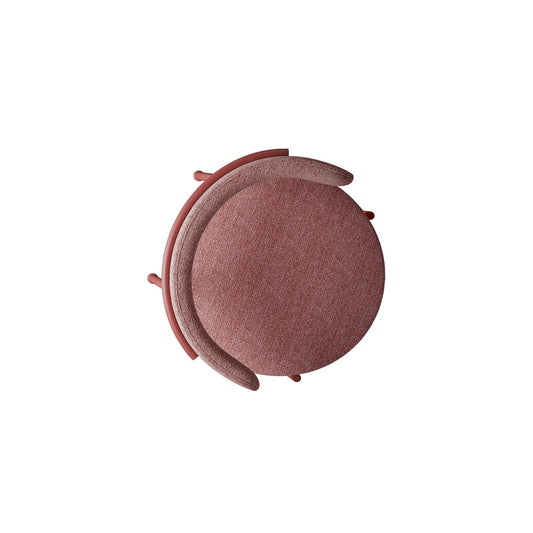
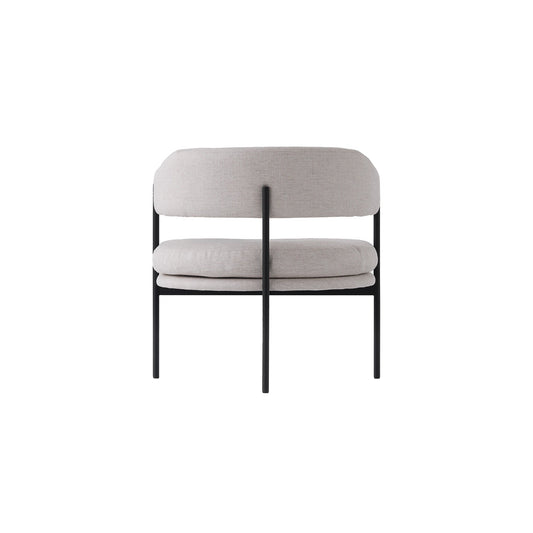
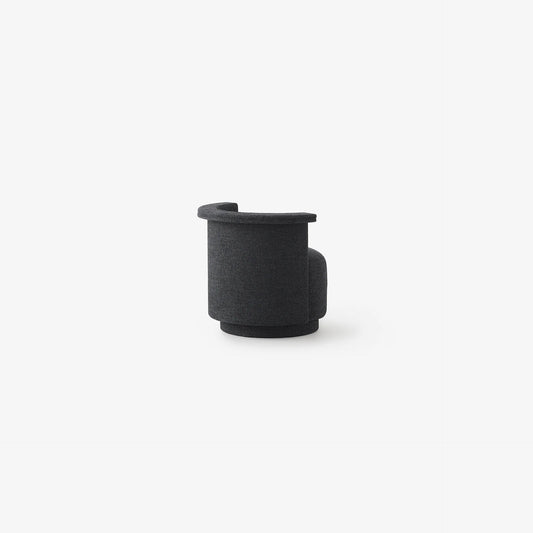
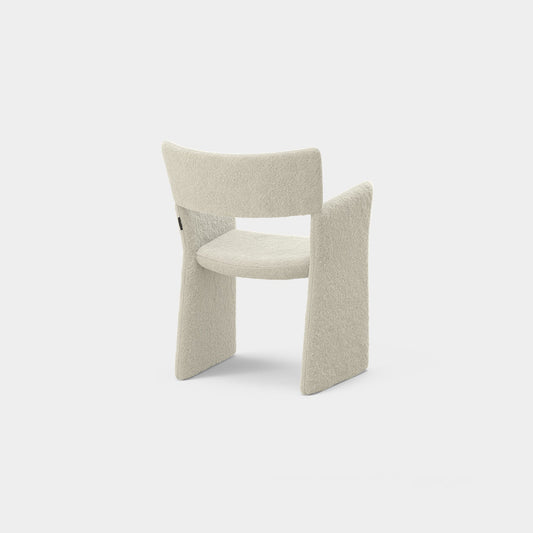
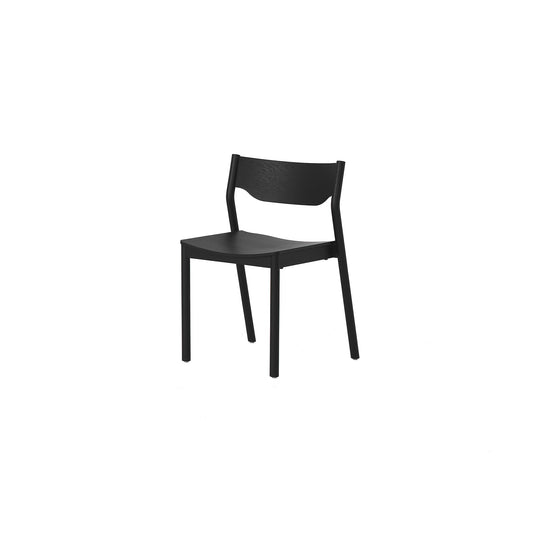
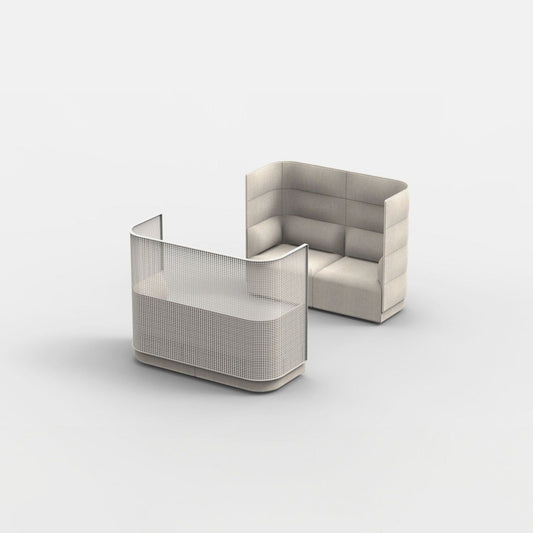
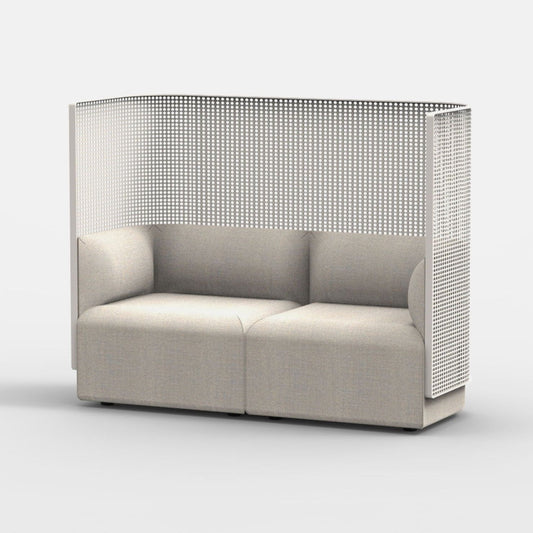
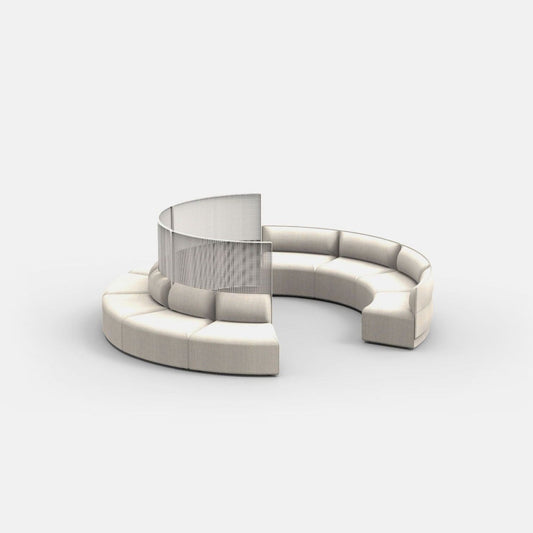
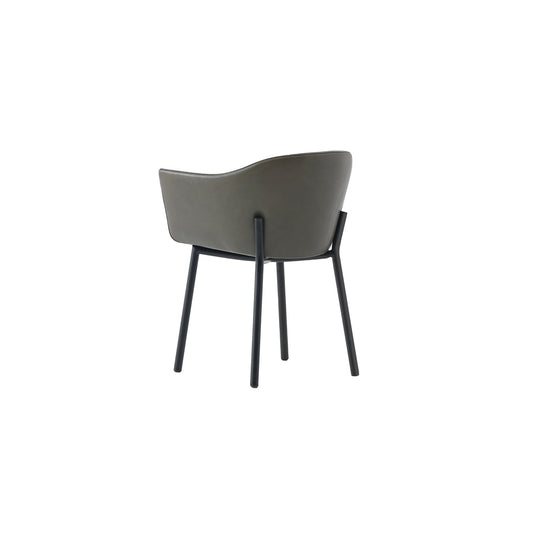
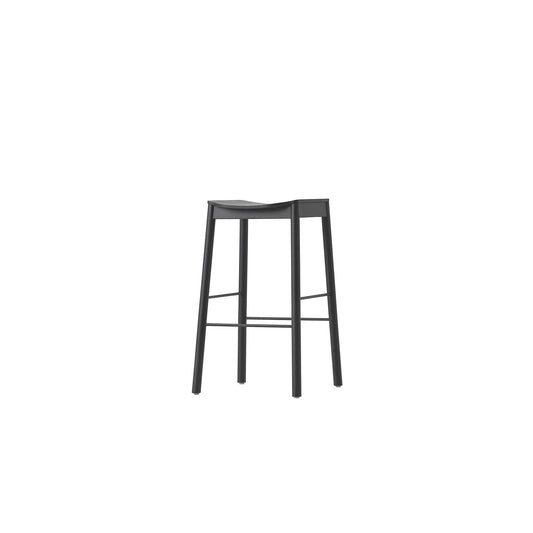
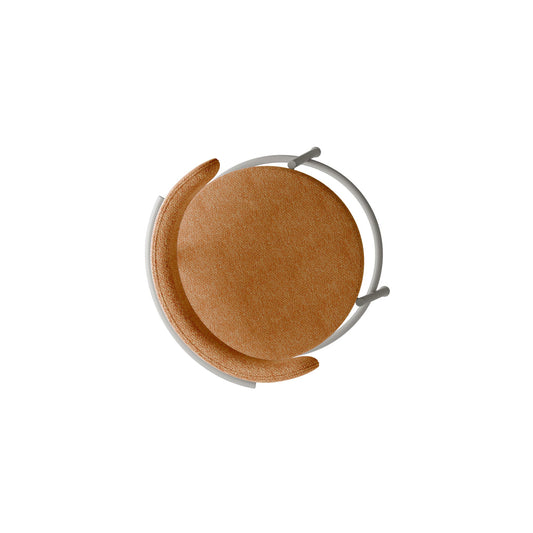
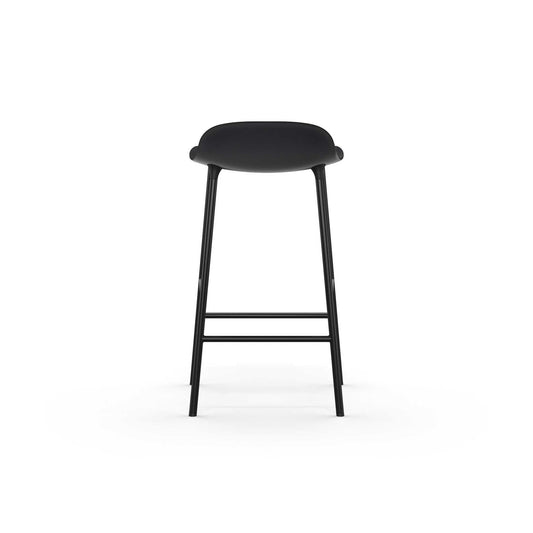
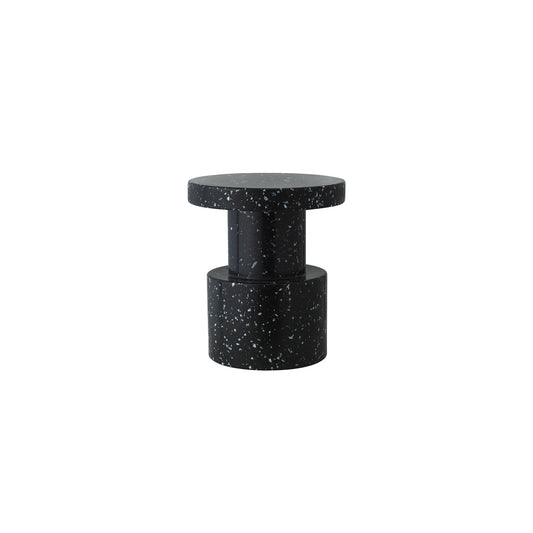
Spaces brewed for connection encourage collaboration and informal exchange, supported by a mix of flexible seating and hospitality-driven settings. These include Giotto chairs by JOBS, Tangerine seating by Simon James, and customised Habitat lounge configurations by Adam Cornish x District, complemented by pieces such as the Crown armchair by Massproductions and Form stools by Normann Copenhagen.
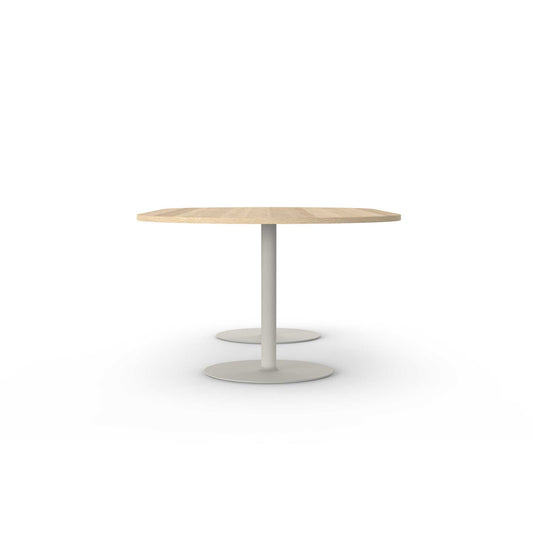
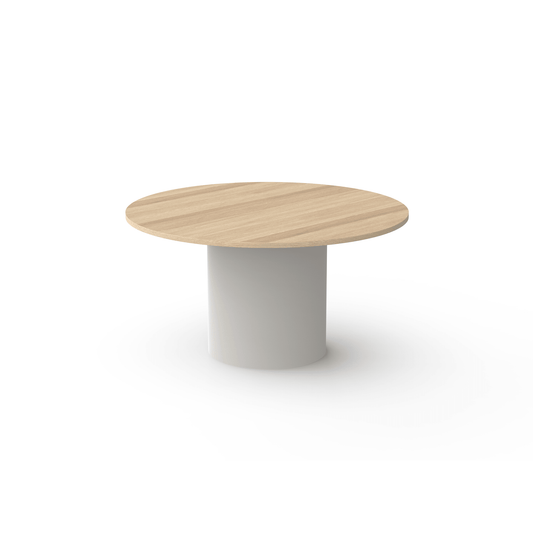
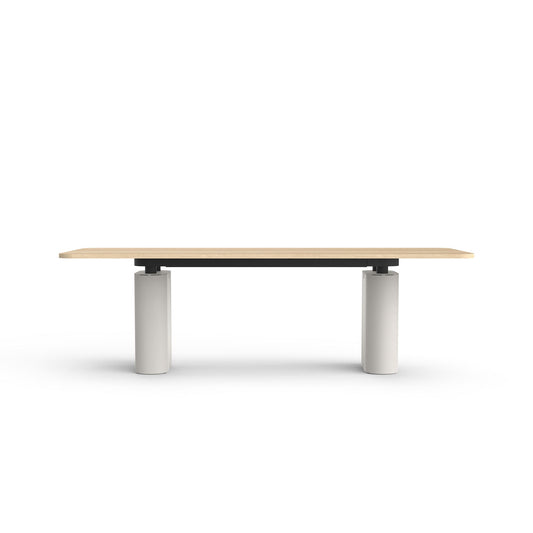
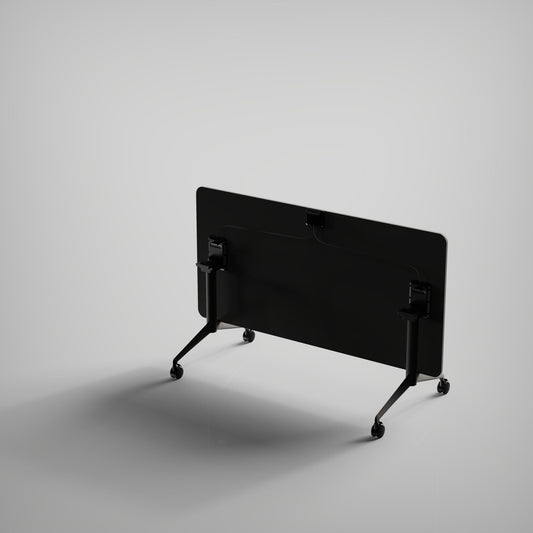
In contrast, legacy distilled zones provide a more refined setting for executive and board functions, anchored by the Elements DUO, delivering robust and scalable solutions for formal meeting environments.

Spatial Narrative
The building is conceived as a vertical narrative, expressing Asahi’s story across multiple levels. Each floor reveals a distinct layer of the brand, contributing to an immersive and cohesive experience. The journey is choreographed to mirror the opening of a bottle: gradual, anticipatory and unified.

Workstations and Technology
A considered workstation strategy underpins the day-to-day functionality of the workplace. Height-adjustable MOTO4 Workstations by Elements are paired with integrated desk booking technology supporting agile working and team mobility at scale.
Monitor arms by Fellowes enhance ergonomics and user comfort, while custom workstation tops in timber-look finishes align with the broader material palette.
Integrated power solutions and workstation systems by Elements ensure seamless connectivity across both focused and shared environments.

Experience and Wellbeing
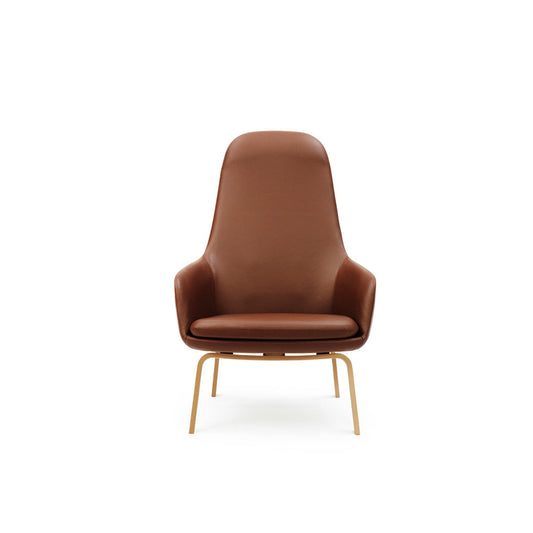
Soft seating, including Habitat sofas by Adam Cornish x District, is paired with a diverse collection of lounge and occasional pieces, including Isabella, Felix, Park and Portrait lounge chairs by Simon James, and Era seating by Normann Copenhagen.
These are supported by a range of stools and breakout elements, from Form and Bit stools by Normann Copenhagen, creating layered, hospitality-driven environments that encourage pause, connection and movement throughout the workplace.
Outcome
The result is a unified workplace that celebrates Asahi’s people and its portfolio of brands. By bringing these identities together under one roof, supported by a carefully curated and highly resolved furniture and workstation suite, the design fosters a shared sense of connection and pride, creating a platform for collaboration, culture and everyday moments of celebration.